


The region, known for its bustling trade routes, is becoming an increasingly dangerous area for vessels, with several recent incidents raising alarms.
If you’re in the shipping industry or closely following maritime security, you’ve probably heard about the rising concerns surrounding piracy in the Singapore Strait. The region, known for its bustling trade routes, is becoming an increasingly dangerous area for vessels, with several recent incidents raising alarms.
Just this past Sunday night, two vessels were boarded within 15 minutes of each other. According to maritime intelligence company Ambrey Analytics, the attacks took place just off Kapalajernih Island, Indonesia, and have added to the growing list of piracy incidents in the area.
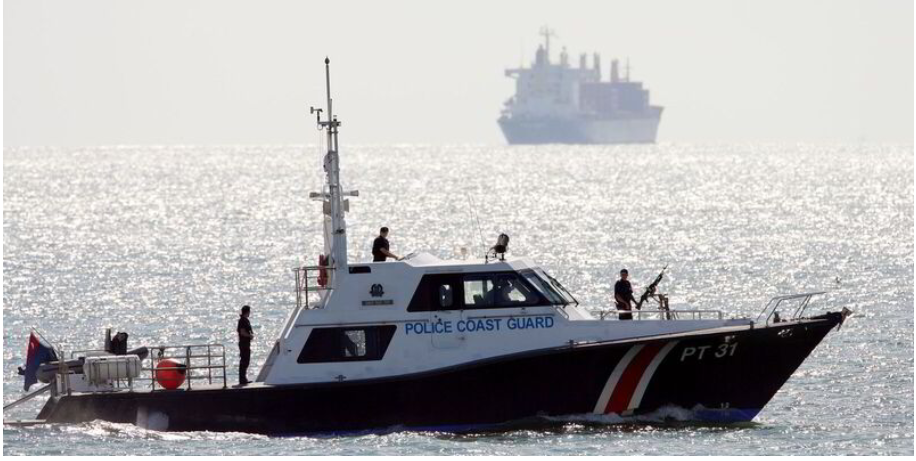
The First Incident: Malaysian-Flagged Product Carrier
The first ship to be attacked was a Malaysian-flagged product carrier. As it was heading eastward through the narrow Philip Channel, just four nautical miles north of Kapalajernih Island, six men boarded the vessel. The pirates, armed with knives, boarded the ship while it was traveling at a speed of 7 knots. Fortunately, the ship was able to continue its journey toward Port Dickinson, Malaysia, though it’s still unclear whether any valuables were stolen during the boarding.
A Second Attack Moments Later
No sooner had the first incident occurred than a second vessel. A Norwegian-flagged bulk carrier was targeted just 15 minutes earlier. This ship was transiting eastbound, much like the first, and was heading from Port Klang in Malaysia to Fangcheng in China. The attack happened only two miles from the site of the first boarding. The pirates were reportedly armed with knives and some sort of gun-like objects, making the situation even more alarming. This vessel had a freeboard of 5.1 meters and was traveling at 9.6 knots when the attack took place.
Why the Singapore Strait?
These recent attacks are part of a much larger trend that has been taking place in the Singapore Strait since late December. In fact, the latest two incidents bring the total number of attacks in the area to at least nine. And while piracy isn’t new to the region, what’s concerning is the consistency and severity of these attacks.
Most of the incidents so far have involved bulk carriers, which are particularly vulnerable because they tend to have lower freeboards (the distance between the waterline and the ship's deck). Vessels with freeboards under 10 meters are particularly at risk, making them prime targets for piracy.
What Should Ships Do to Protect Themselves?
Given the rising threat, maritime experts are urging crews to take preventive measures. Here are some steps that can help ensure the safety of the vessel and crew:
Lock Down Access Points: Ensure that all access to the accommodation block and ship's stores is secured.
Regular Deck Patrols: Conduct regular patrols of the deck to spot any suspicious activity or individuals.
Stay Alert: Remain vigilant, especially when passing through high-risk areas. Communication with nearby vessels and security teams can provide valuable information in case of threats.
The frequency of these attacks serves as a harsh reminder that maritime piracy is still a very real threat. For those navigating these busy and perilous waters, the importance of staying alert and taking necessary precautions cannot be overstated. As these recent boardings highlight, pirates are becoming bolder, and the stakes are getting higher.
Stay safe out there!
Media Gallery